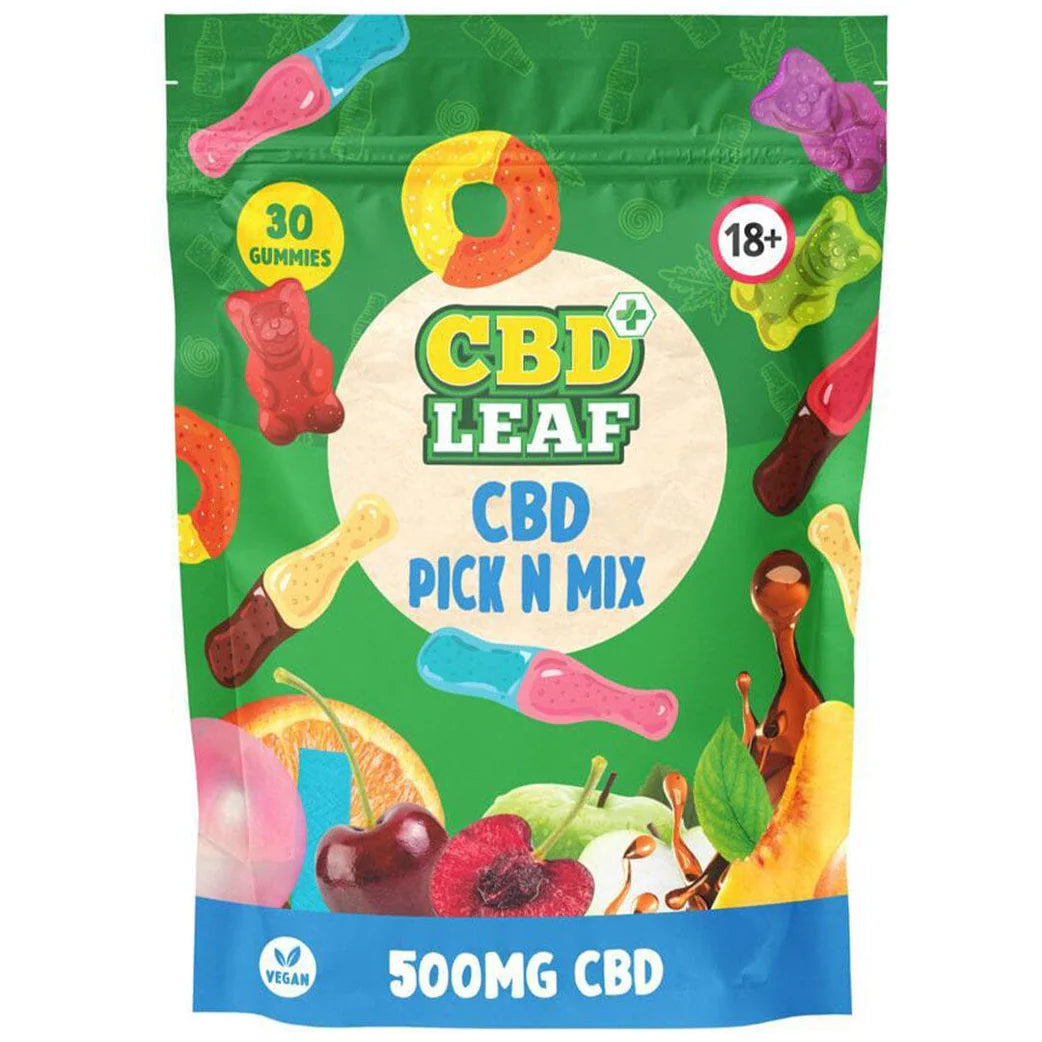
CBD Leaf 500mg 30 Gummies
£11.95
CBD Leaf: Complete Educational Guide to Hemp and Cannabidiol
Table of Contents
- What Is a CBD Leaf
- Understanding Hemp Plants
- What Is Cannabidiol (CBD)
- Botanical Characteristics
- Hemp Plant Uses
- Industrial Importance
- Legal Considerations
- Frequently Asked Questions
- Final Thoughts
What Is a CBD Leaf?
Hemp leaves are commonly associated with hemp plants that contain naturally occurring compounds called cannabinoids. The term “CBD leaf” is often used informally when discussing hemp-related botanical topics and cannabidiol research.
CBD, short for cannabidiol, is one of many naturally occurring compounds studied in hemp plants. Unlike THC, cannabidiol itself is not generally associated with intoxicating effects.
Understanding Hemp Plants
Cannabis sativa is cultivated worldwide for industrial, agricultural, textile, and research purposes. Hemp varieties are specifically grown with very low THC levels under legal regulations in many countries.
Hemp plants are valued for:
- Fiber production
- Seeds and oils
- Sustainable materials
- Agricultural uses
- Scientific research
What Is Cannabidiol (CBD)?
Cannabidiol, commonly called CBD, is a naturally occurring compound found in hemp plants. Researchers continue studying cannabinoids and their interactions within plant science and biology.
CBD is commonly discussed in:
- botanical education
- hemp research
- industrial hemp discussions
- agricultural studies
Botanical Characteristics of Hemp Leaves
Hemp leaves are recognizable for their distinct shape and structure.
Key Features
- Narrow serrated leaflets
- Green coloration
- Fast-growing plant structure
- Adaptability to different climates
The appearance of hemp leaves has become widely recognized in plant and agricultural discussions.
Industrial Uses of Hemp Plants
Hemp plants have many legal industrial applications.
1. Textile Production
Used in fabrics, rope, and sustainable clothing materials.
2. Paper Manufacturing
Hemp fiber has historically been used in paper production.
3. Biodegradable Products
Researchers explore hemp for eco-friendly materials.
4. Food and Oil Production
Hemp seeds are used in nutritional products and oils.
Why Hemp Plants Are Important
Hemp is considered important because it:
- grows quickly
- requires relatively fewer resources
- supports sustainable manufacturing
- has multiple agricultural uses
This versatility has increased global interest in hemp-related research.
Legal Considerations
Laws involving hemp and CBD-related products vary by country and region. Always check local regulations regarding cultivation, processing, and commercial activities.
This article is strictly educational and does not promote regulated substances or controlled products.
Frequently Asked Questions
What is a CBD leaf?
A CBD leaf generally refers to leaves from hemp plants associated with cannabidiol discussions and botanical education.
Is hemp the same as marijuana?
Hemp is a regulated variety of Cannabis sativa grown with very low THC levels for industrial purposes.
What is CBD?
CBD, or cannabidiol, is a naturally occurring compound found in hemp plants.
What are hemp plants used for?
Hemp is used for textiles, paper, oils, seeds, biodegradable materials, and industrial applications.
Final Thoughts
Hemp continues to attract global interest because of its agricultural versatility, sustainable potential, and importance in botanical research.
Educational CBD leaf content can help readers better understand hemp plants, industrial uses, and plant science while remaining compliant with informational SEO standards.


Reviews
There are no reviews yet.